3 Fun Facts About Teeth
min read


Back in the day, and we mean way back to the Middle Ages, centuries and centuries ago — many thought cavities were due to tiny little worms that lived in your teeth. And when they wiggled inside your tooth, that was a toothache happening. Well, sorry folks, that's just not true. There are no worms that live in your teeth. At least there shouldn't be. As we know now, cavities occur when there's a buildup of plaque on your teeth full of enamel-eating bacteria that cause your tooth to decay. While cavities are still around today, you don't need a giant ax or heavy sword to battle them. Regular brushing, flossing (sometimes referred to as interdental cleaning), and dental checkups are the proper way to defend yourself. It's amazing how good oral care can keep cavities from invading your teeth.
Outside gender-specific parts, men and women are created equal. But ol' Aristotle thought differently. It's hard to be right about everything. For some reason, he thought men had more teeth than women. You read that right. But he would be wrong. Sorry, Ari. Men and women have the same number of teeth. You should know:
Now here's the tricky part to your personal number of teeth. Your wisdom teeth may not erupt. Sometimes, one may just come in, sometimes all 4, and sometimes none. If they do, they often cause overcrowding and sometimes are impacted below the gumline, causing swelling. This is why wisdom teeth removal surgery is so popular.
It was also believed that your teeth don't start growing until your born. This, too, is a myth. Both your primary and permanent teeth are already present when you're a baby. Your wisdom teeth, however, do develop late during adolescence.
The world isn't flat. We did land on the moon. And worms don't cause cavities. It doesn't hurt to know this and other tidbits about your teeth. It also doesn't hurt to practice proper oral care to avoid those cavities. That's a fact your dentist can get behind.
Oral Care Center articles are reviewed by an oral health medical professional. This information is for educational purposes only. This content is not intended to be a substitute for professional medical advice, diagnosis or treatment. Always seek the advice of your dentist, physician or other qualified healthcare provider.
ORAL HEALTH QUIZ
Take our Oral Health assessment to get the most from your oral care routine
ORAL HEALTH QUIZ
Take our Oral Health assessment to get the most from your oral care routine

Mouth and teeth anatomy
What Are Dentin Tubules?Have you heard of the term dentin tubules? Well, now you have. Dentin tubules are a vital part of your teeth. As you may know, the teeth are made up of tissue layers, and each one serves a unique function. The dentin tubules are located in the dentin, one of the layers below the enamel surface. The role of dentin tubules is to help you feel sensations in your teeth. That's also why they're often blamed for hypersensitivity in people's teeth.

Mouth and teeth anatomy
What Is Hypodontia? Causes And Treatments For Missing TeethHypodontia refers to the absence of one or more teeth. Learn how this condition is diagnosed and treated.

Mouth and teeth anatomy
What Are Foliate Papillae?Hundreds of tiny bumps called papillae cover your tongue, most of which contain taste buds with sensory cells. There are four types of papillae—filiform, fungiform, circumvallate, and foliate—and each has a role to play. This article looks into the foliate papillae, which are located on the sides of the tongue and contain taste buds.

Mouth and teeth anatomy
Your Baby's Labial Frenulum: What You Need To KnowTucked inside your infant's gummy, toothless smile is a small piece of tissue under their upper lip called the labial frenulum.
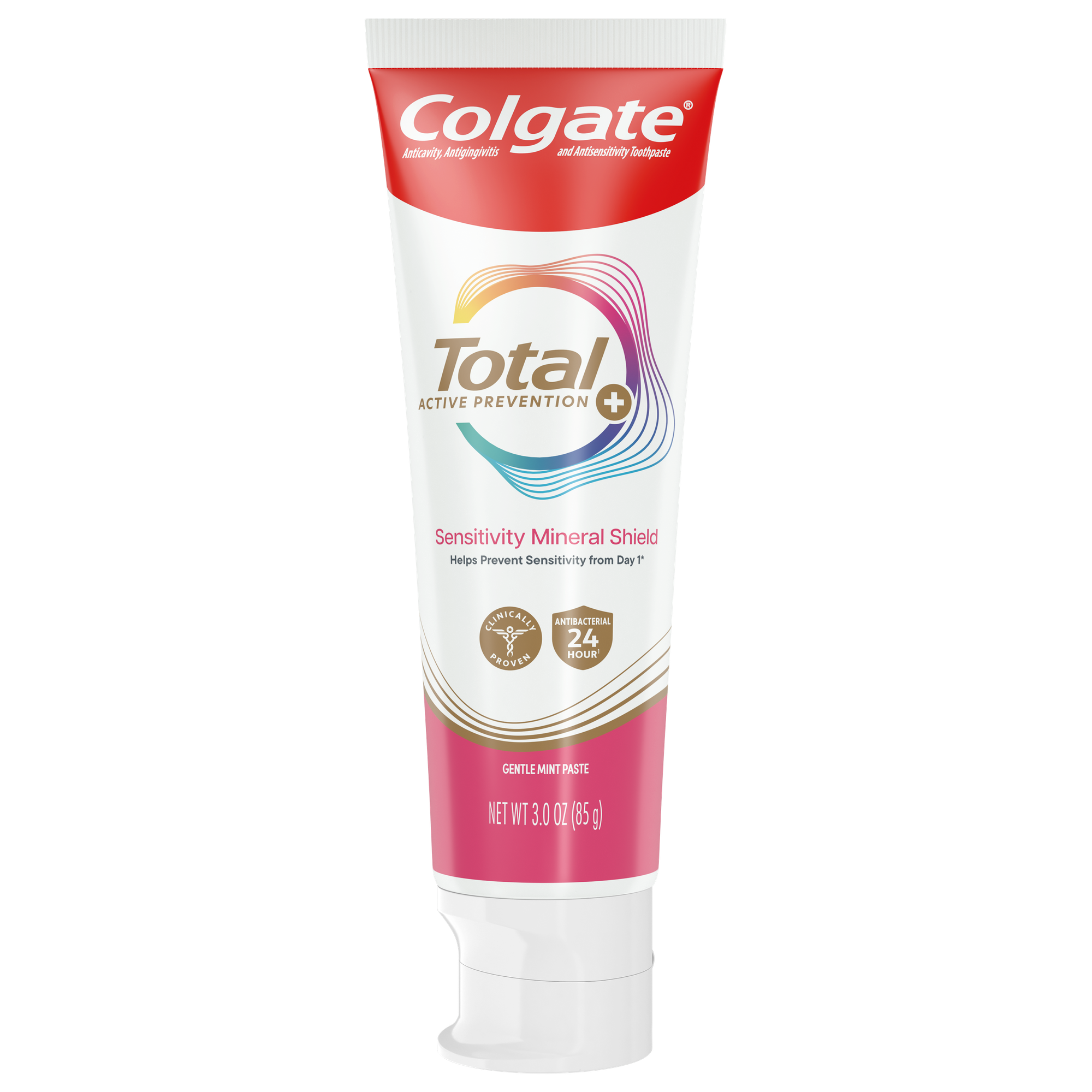
Help prevent sensitivity from day 1* with Colgate Total Active Prevention Sensitivity Mineral Shield Mint Toothpaste. This Colgate Total Sensitivity Toothpaste with Fluoride is a patented antisensitivity toothpaste that fights the root cause** of gingivitis, plaque, tartar, cavities, sensitivity, bad breath, weak enamel, and stains. Colgate Total Sensitivity Mineral Shield Toothpaste helps prevent tooth sensitivity by creating a mineral shield around sensitive spots on your teeth.
*with twice daily use
**via protection against bacteria and dietary exposures, with daily brushing
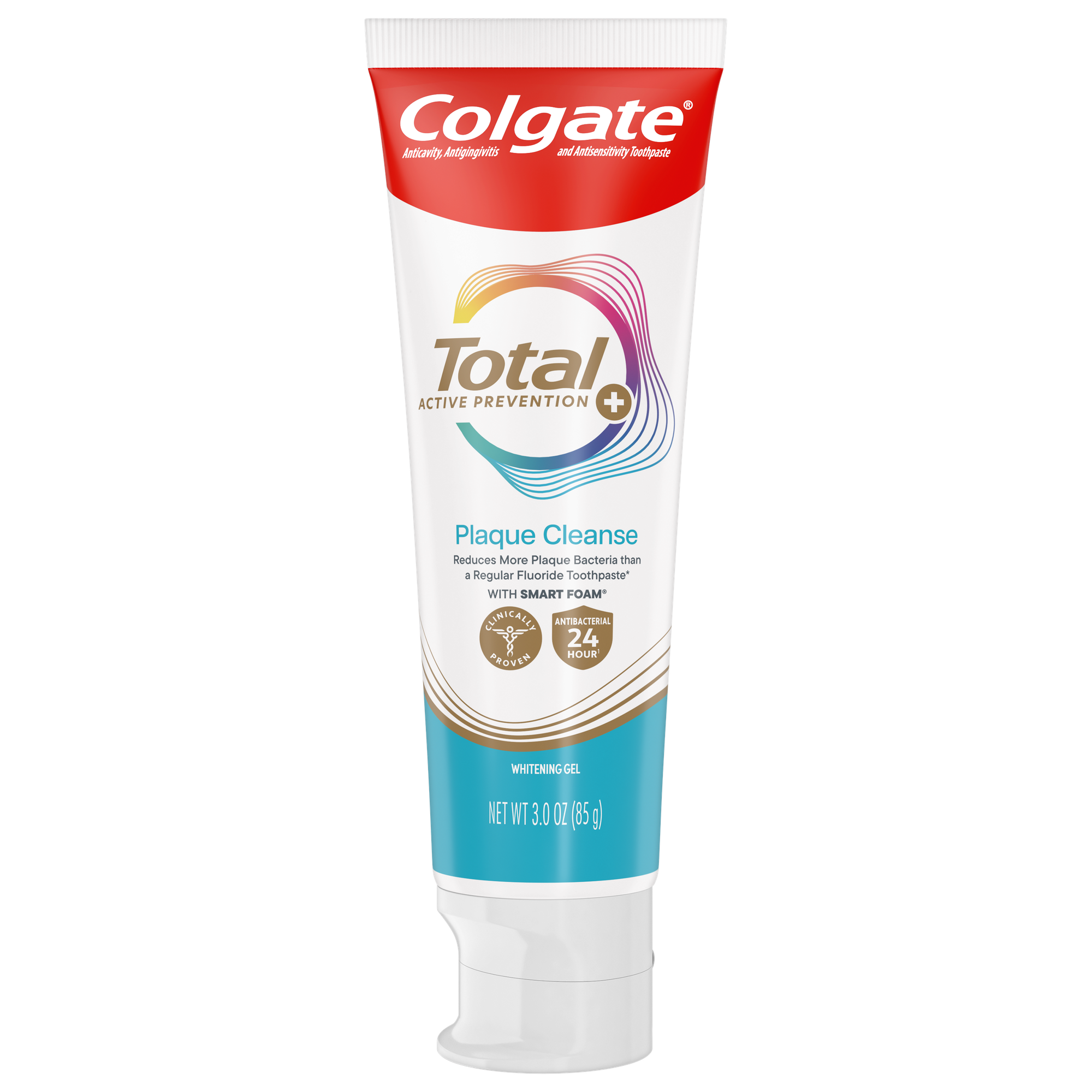
Help promote healthy gums using Colgate Total Active Prevention Plaque Cleanse Whitening Toothpaste Gel. This patented tartar prevention toothpaste fights the root cause* of gingivitis, plaque, tartar, cavities, sensitivity, bad breath, weak enamel, and stains and is 2x more effective*** at fighting bacteria, the root cause of oral health problems like cavities and gingivitis.
*via protection against bacteria and dietary exposures, with daily brushing
***via reduction of bacteria vs. non-antibacterial fluoride toothpaste with 2x daily brushing and 4 weeks use
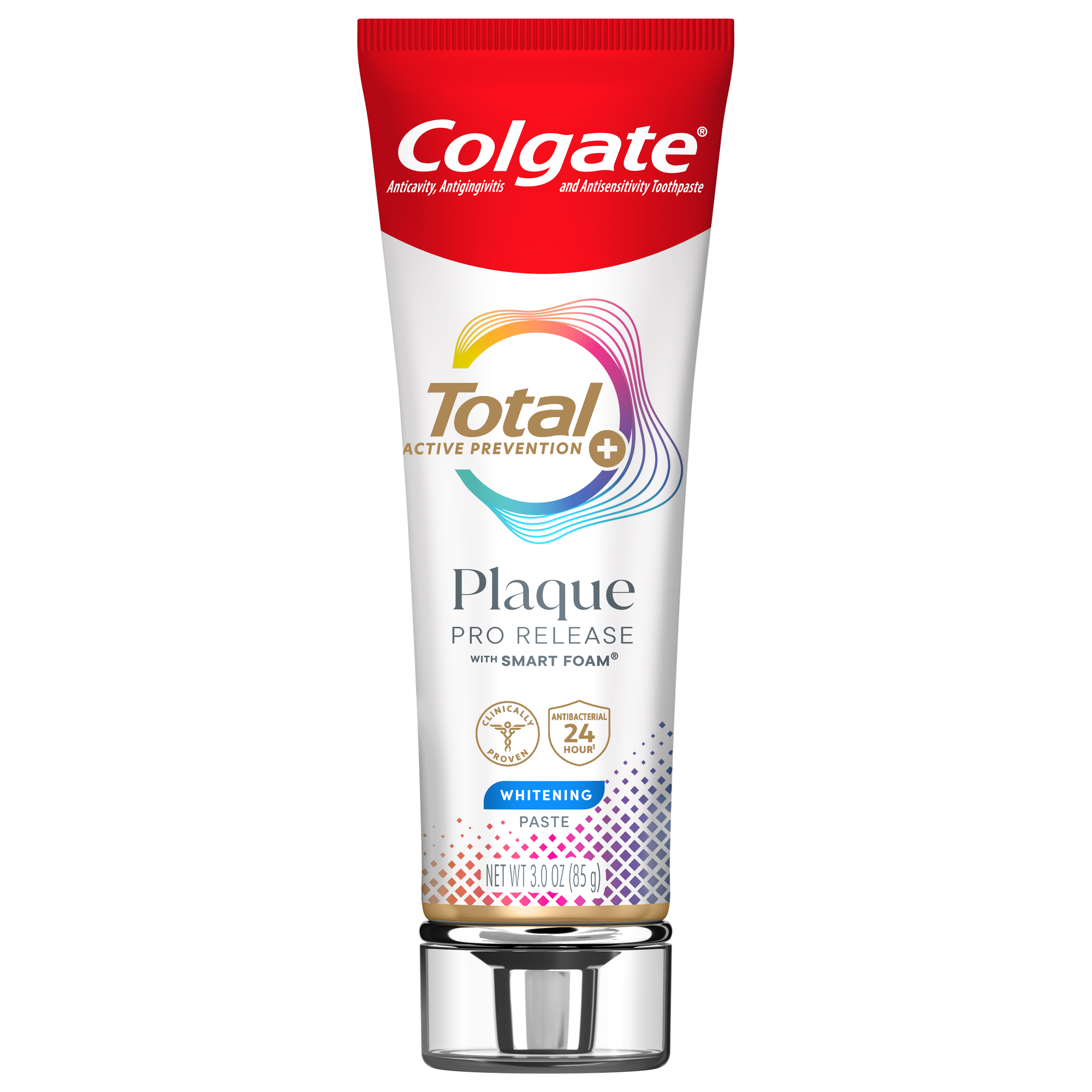
Colgate Total Plaque Pro Release Whitening Toothpaste dissolves and lifts away gum harming plaque with daily brushing.
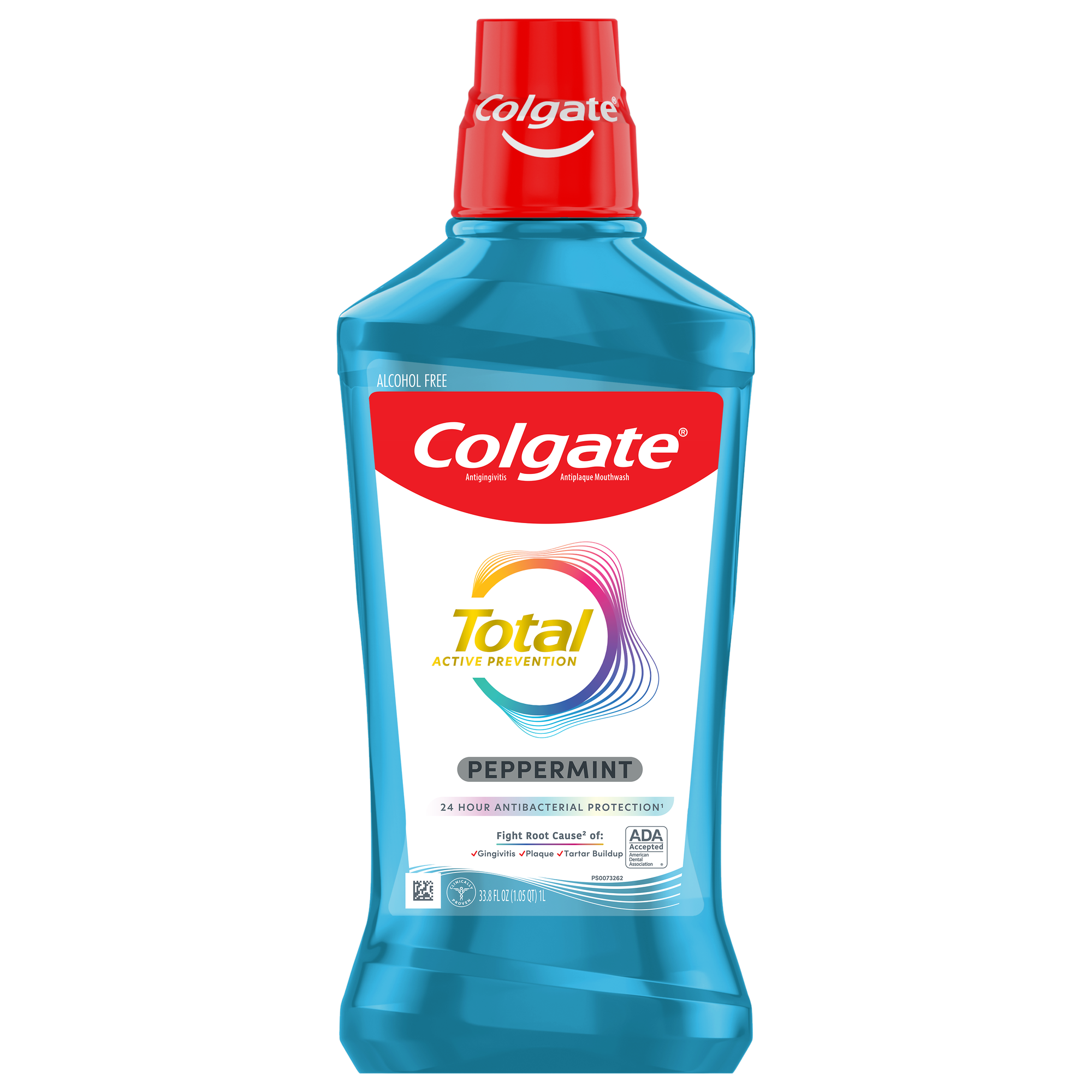
Colgate Total Alcohol Free* Peppermint Mouthwash delivers 24-hour protection** against bacteria.

